
As One Travels...
Feb 17, 2017
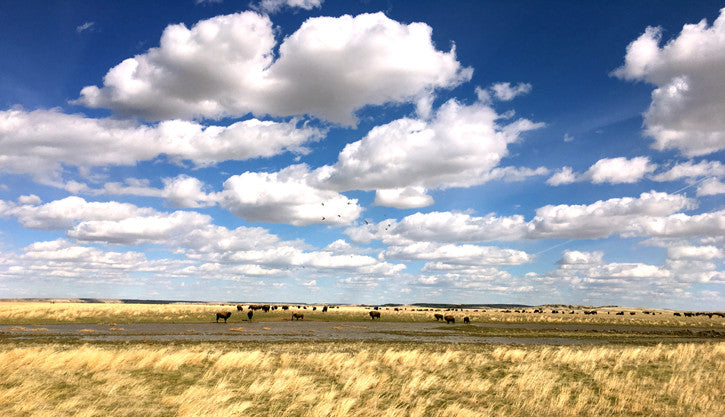
As one travels the center of our country, the effort to conserve and restore the diversity and natural systems of the American Great Plains is evident. Conservation groups, government agencies, and individuals are hard at work on a thousand projects; from habitat restoration, to
But the “Big Open” is more than big. It is immense, and the systems that give it the power to lift the human spirit are complicated, indeed. In fact, when measured against the enormity of the Great Plains, the efforts to restore its vitality
It is hard to be optimistic about the chances for a meaningful and timely recovery of the Great Plains. With climate change clearly in progress, and the Plains predicted to get even drier, the chances for help, from a series of wet years, seems unlikely. With fossil fuel consumption showing no real signs of tapering off until it becomes a rare and expensive commodity; the human assault on the Great Plains seems destined to continue. National attitudes concerning our relationship to the land, show no widespread signs of turning away from headlong consumption. It is hard for me to imagine that we, as a society, have reached the peak of our mindless, arrogant binge of environmental abuse and are on the downhill slope toward a workable harmony with the natural systems of the Great Plains. It seems clear to me that, if things are ever to get better, we will have to suffer through a period of increased deterioration of the land that sustains us.
So what, you might ask, is the value of all those people
Aldo Leopold said, “The first rule of intelligent tinkering is to save all the pieces.” The intelligence of our tinkering on the Great Plains is in serious dispute, but the fact that we have tinkered with the connective tissue of the environment is a simple fact. It seems highly likely that, as with the population and fortunes of all species, an adjustment looms in the future for mankind. The ingenuity of humans that allowed their populations to exceed the carrying capacity of its range was not ingenuity at all. It was a stroke of luck called cheap oil – no more the
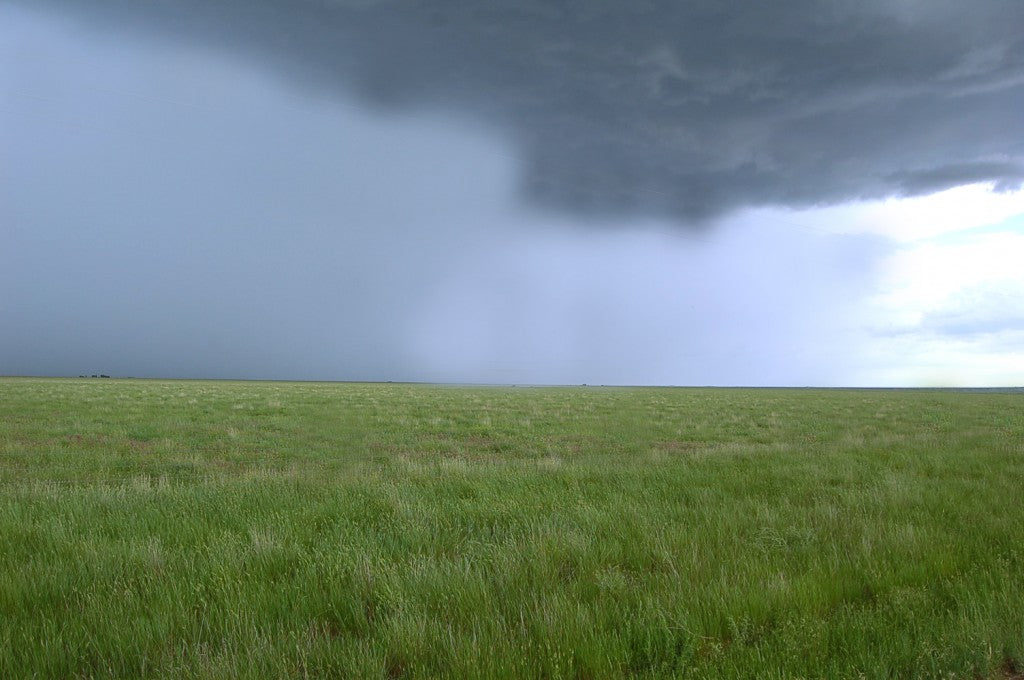
It would be easy to view all this as bad news for mankind, but no thinking person ever believed that population and prosperity, for any species, can increase forever. The great adjustment is not bad news – it is simply news. But there may be some good news in all this. Unlike the antelope, who are not capable of planning and so destined to destroying their habitat in the times following the boom years, there are a few humans: individuals, groups, and agencies, who have been “saving the pieces.” When the smoke of the adjustment clears, in fifty, or a hundred, or three hundred years, there may well be a forty-acre wetland with Pintails bringing off broods, there may be a garden of once pampered wild plants ready to break out onto the prairie again. There may be sections of prairie that were managed for the duration, and healthy enough to accept those plants. And there may be a little herd of free roaming buffalo ready to claim their birthright – to step through the crumbed fences and fill the void left by the deposed monarchs.
This article was first published in 2006.


27 comments
A wonderful essay, Dan. Watching a recent episode of The American Experience about Rachael Carson, reminded me how much progress we’ve made and the power we all have to do our part in making a difference. I’m still very hopeful.
It may be too late to save this planet, especially, with all of the greedy Trump’s and Koch Brothers that want to continually Rape this planet. It’s a real shame.
Amen it is so sad that man has destroyed so much in out world, now we must put back the pieces again