

The Truth Of Our Food Supply
Feb 26, 2022
Recently, the New York Times released a three-part video series titled “We’re Cooked”. If you didn’t see it, the links to the series and other articles that we reviewed for reference are located at the bottom of this post. Here are some highlights.
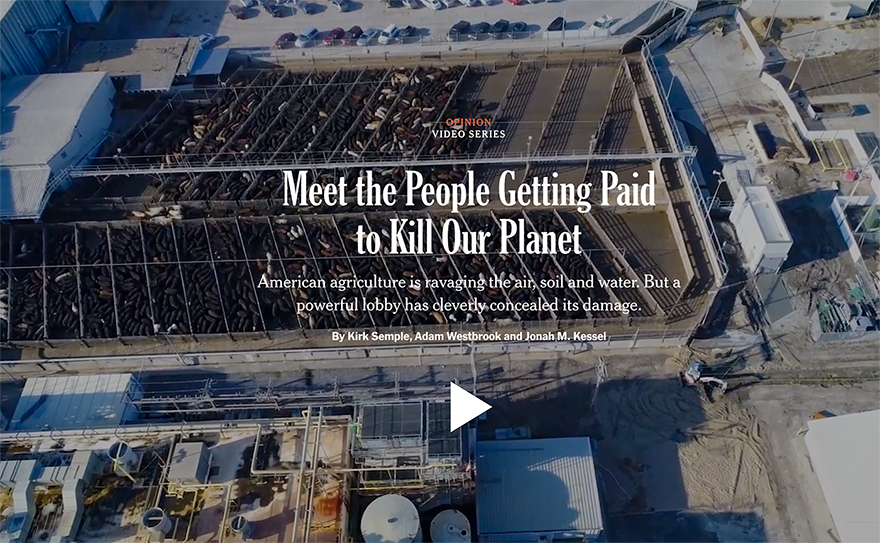
As consumers, it can be difficult to navigate through the “smoke & mirrors” used in marketing the foods we consume. In the first of the video series, the illusion of our food supply is uncovered and the driving forces behind it exposed.
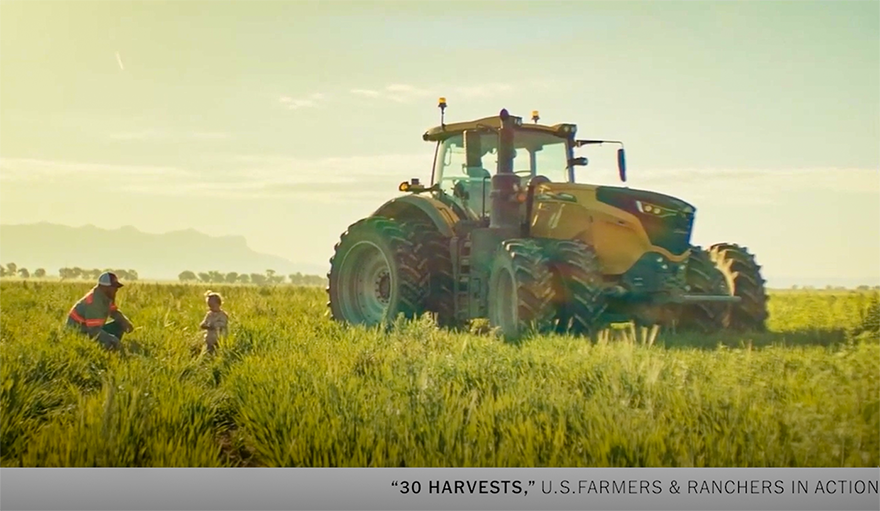
We are often hoodwinked by images and words that are rarely the reality of our food supply. The average family farm is around 444 acres and the number of them are drastically on the decline. They are being rapidly replaced by industrialized agriculture, which are large scale operations, with the average acreage ranging from 82,500 to 190,000, of the top five producers. The above image represents only 3% of America's cropland, but these are the images used by industrialized agriculture.
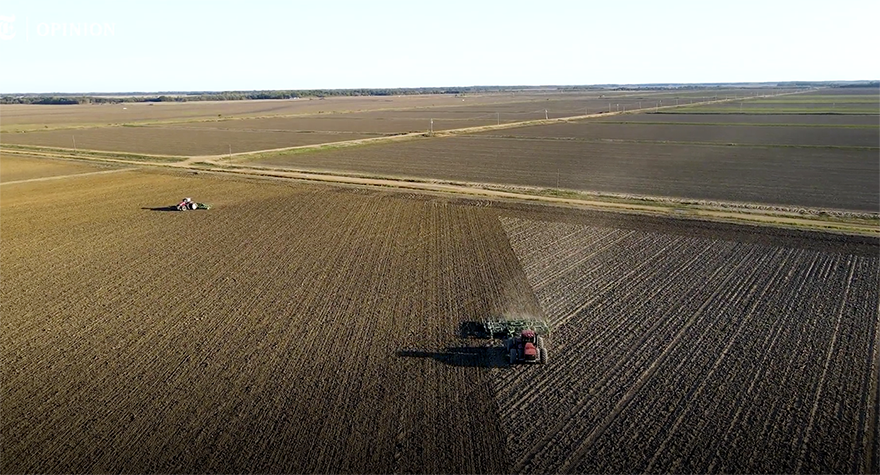
These large industrialized farmlands rely on glyphosate based chemicals like Roundup and 2-4-D chemicals and fertilizers, to get the biggest bang for their buck. This also produces cheap food.
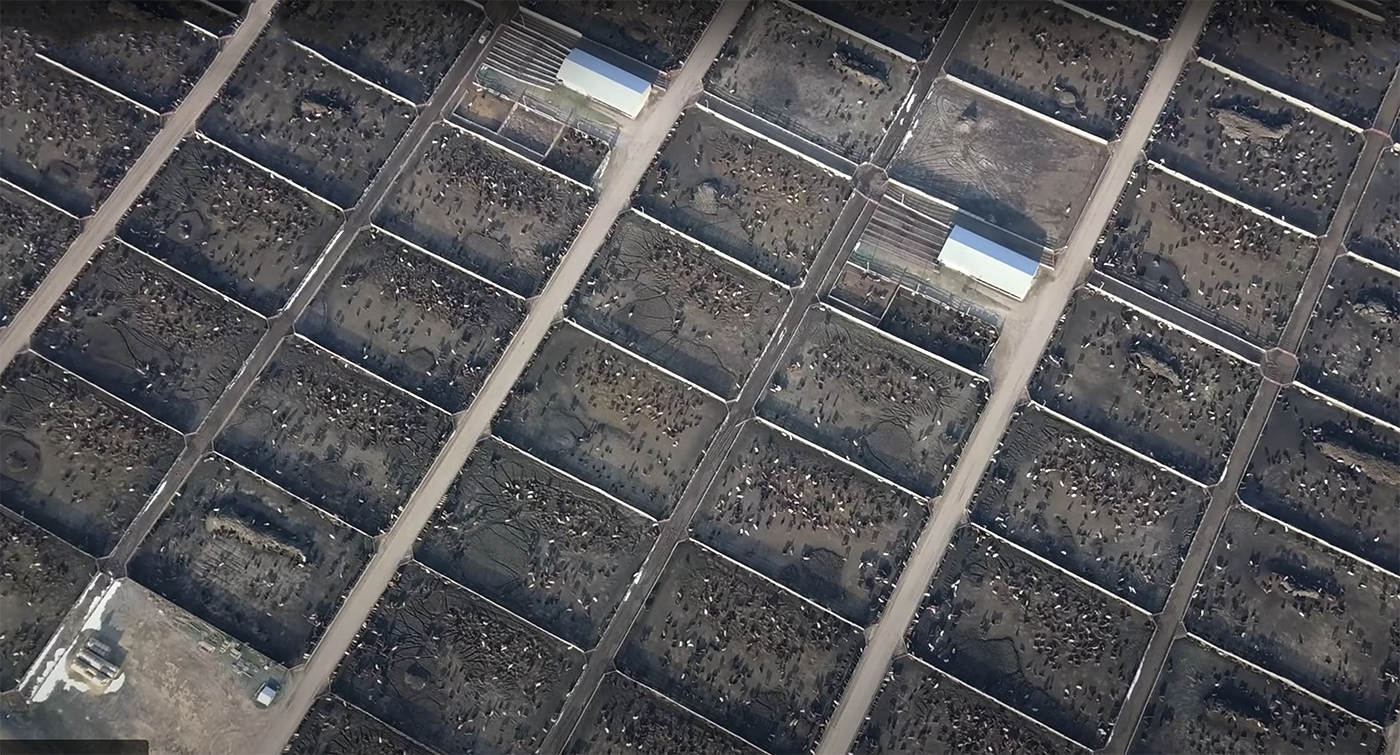
In the production of animal protein, specifically Confined Animal Feeding Operations (CAFO), they rely heavily on antibiotics, hormones and GMO corn, soybean & grains to fatten the animals up quicker. The conditions are less than optimal, with most qualifying as inhumane. The second video gets right to the heart of this.
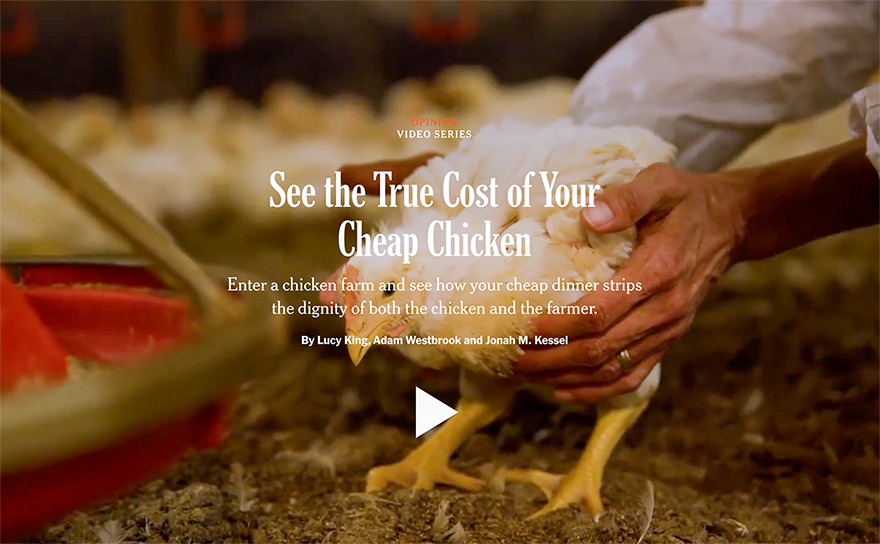
The run off of chemicals and animal waste are also hazardous to our water supply. It seeps into the ground affecting other foods we consume, as well as contaminating our rivers, lakes, oceans and our drinking water.
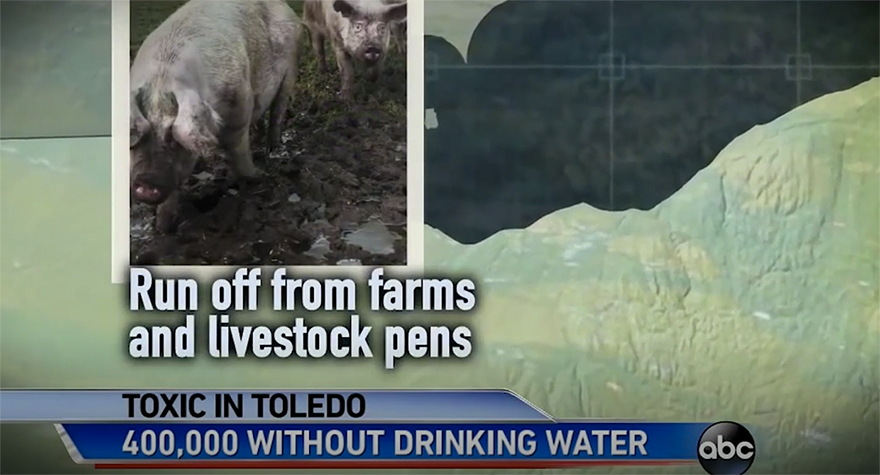
And, then of course there is the air that we breathe...
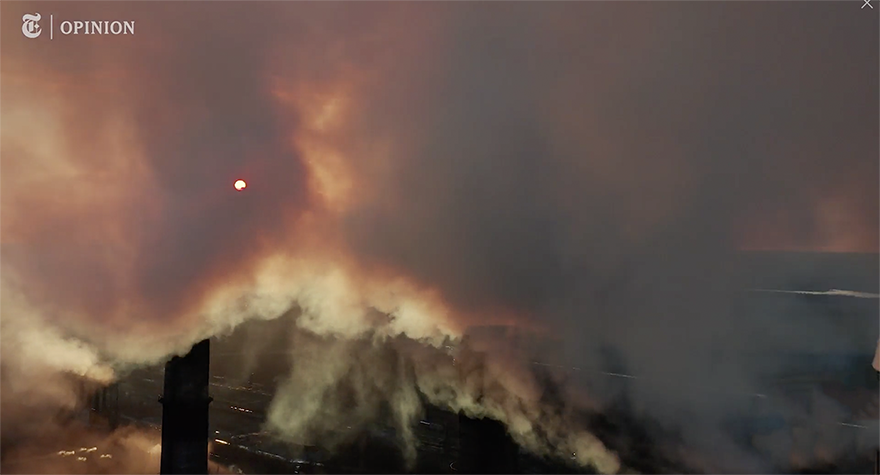
knowingly being filled with carbon dioxide, methane and nitrous oxide emissions.
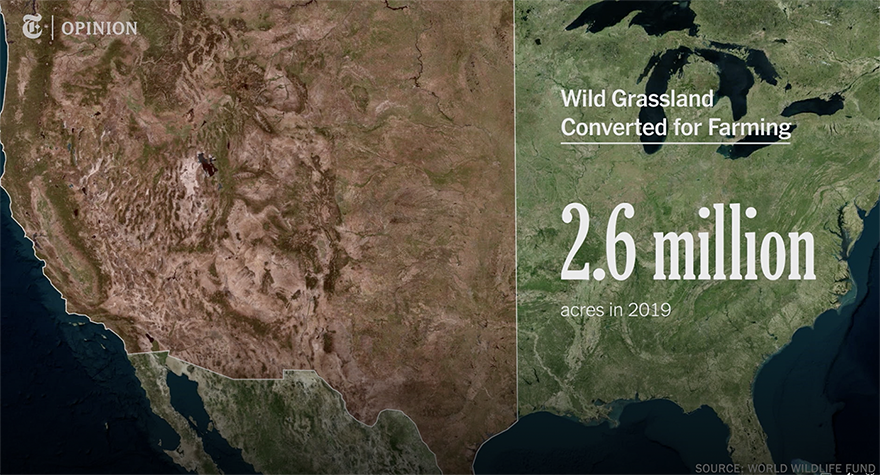
All of these practices come with very little environmental regulation. Our agricultural systems have the most powerful lobbyist on the hill, with the biggest one being, "The American Farm Bureau Federation".
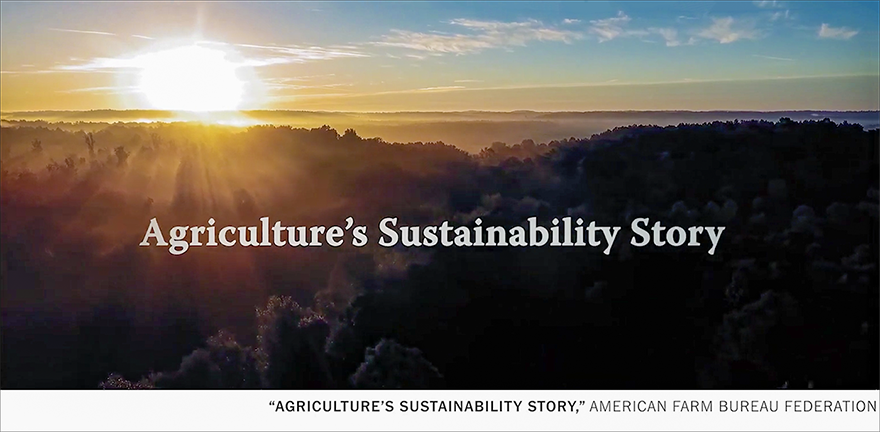
They hide behind slick marketing campaigns with hijacked slogans that can actually bring tears to your eyes. Senator Cory Booker, who serves on the Senate Agricultural Committee states "The climate movement in America doesn't talk enough about food. You cannot solve the climate problem, unless you fix the American & global food systems."
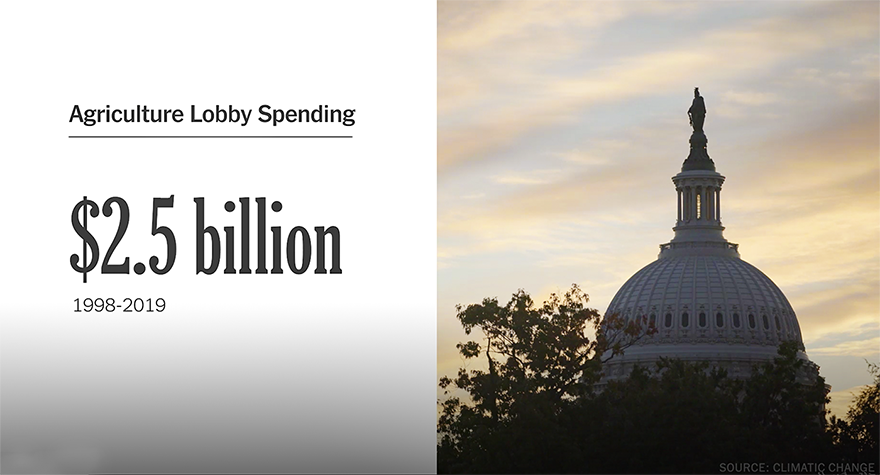
These systems that were designed to feed us - are also killing us, while destroying our planet too. Policies to create change usually end up dead in the water, as both political parties are culpable in receiving industry support.

So, what's the solution? Some have suggested that BUGS are the food of the future. Away to supply a highly affordable protein to our growing population. The details on our food of the future are revealed in the third video.
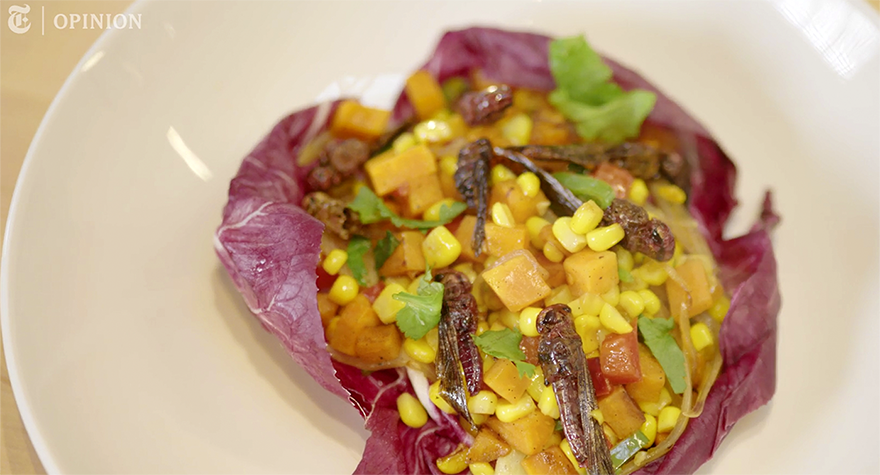
According to chef Joseph Yoon, changing people's minds will have to start in the kitchen. Perhaps you would like to try Cicadas Flamed with Sake, or Lemony Citrusy Black Ants? Or, "Cicada Nief Kimchi, which perfectly complements eggs and the fennel just pops!" I think I would prefer to take his word for it.
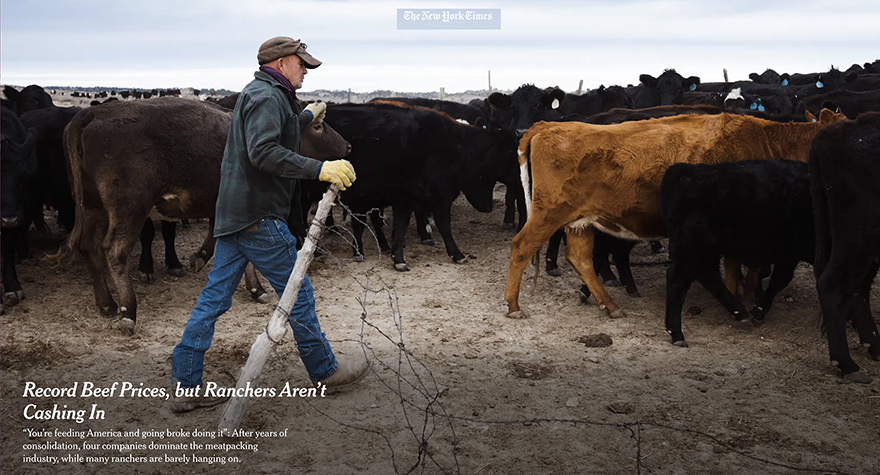
The cost of food is certainly affecting many Americans. Prices are currently making a lot of ranchers unhappy too. Some cattle ranchers are contemplating getting out, as they feel they are not getting their share of the consumers dollars. Many family cattle ranchers are good stewards of the land, but they are caught up in an unsustainable system, that works something like this; The cattle rancher has a herd of breeding cows that calve every year, the calves are then weaned off at around six months of age, they are then shipped off to a CAFO to fatten up to slaughter weight, and from there they are sold to the packers. Four of the biggest packers produce 80% of America's beef supply and make 85% of the market shares.
For a family rancher to switch to a 100% grass-fed animal/product, they would have to be able to keep those animals on pasture for another two years, which would require more land. In addition, they would have to go without income for those years. They are caught between a rock and a hard place.
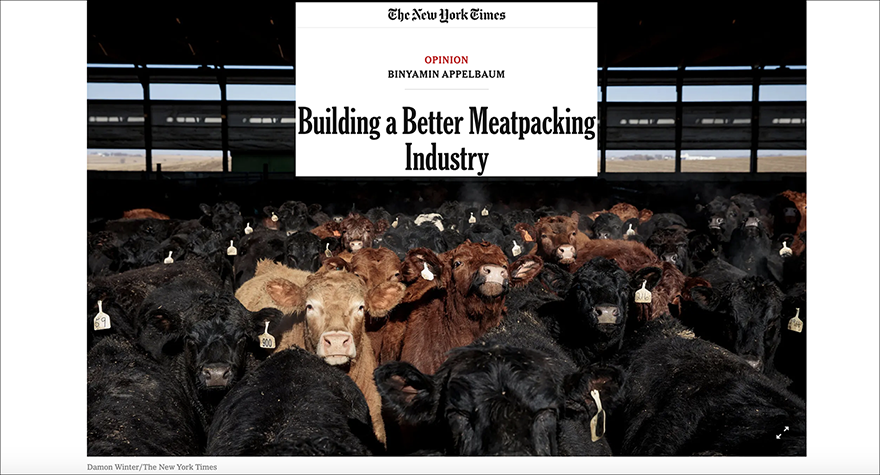
As we dug in further, the New York Times also featured a story on building better meat packing facilities. A cattle farmer that was highlighted as an alternative to big ag production. It was jaw dropping to think that his production model is a better solution...
"This particular cattle farmer raises 30,000 head of cattle each year in long feeding barns of his own design. At the end of one, he has built a wood-paneled whiskey room with big glass windows where he can sit and watch his cows.
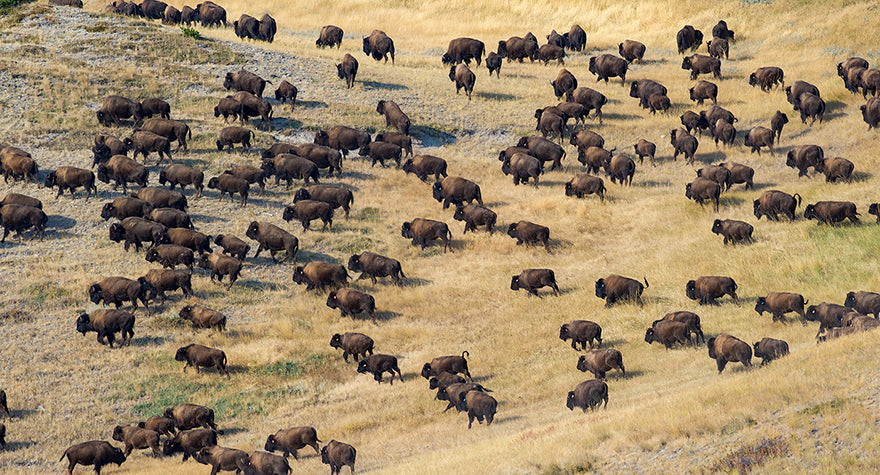
https://www.nytimes.com/2021/12/27/business/beef-prices-cattle-ranchers.html
All images but the last are screen shots form the New York Times video or articles.


4 comments
This is a powerful, thought provoking and masterfully assembled message. Let’s hope it inspires more of us to speak up with our forks and our votes. And our credit cards.
Thank you Jill, Dan and everyone at WIBC.